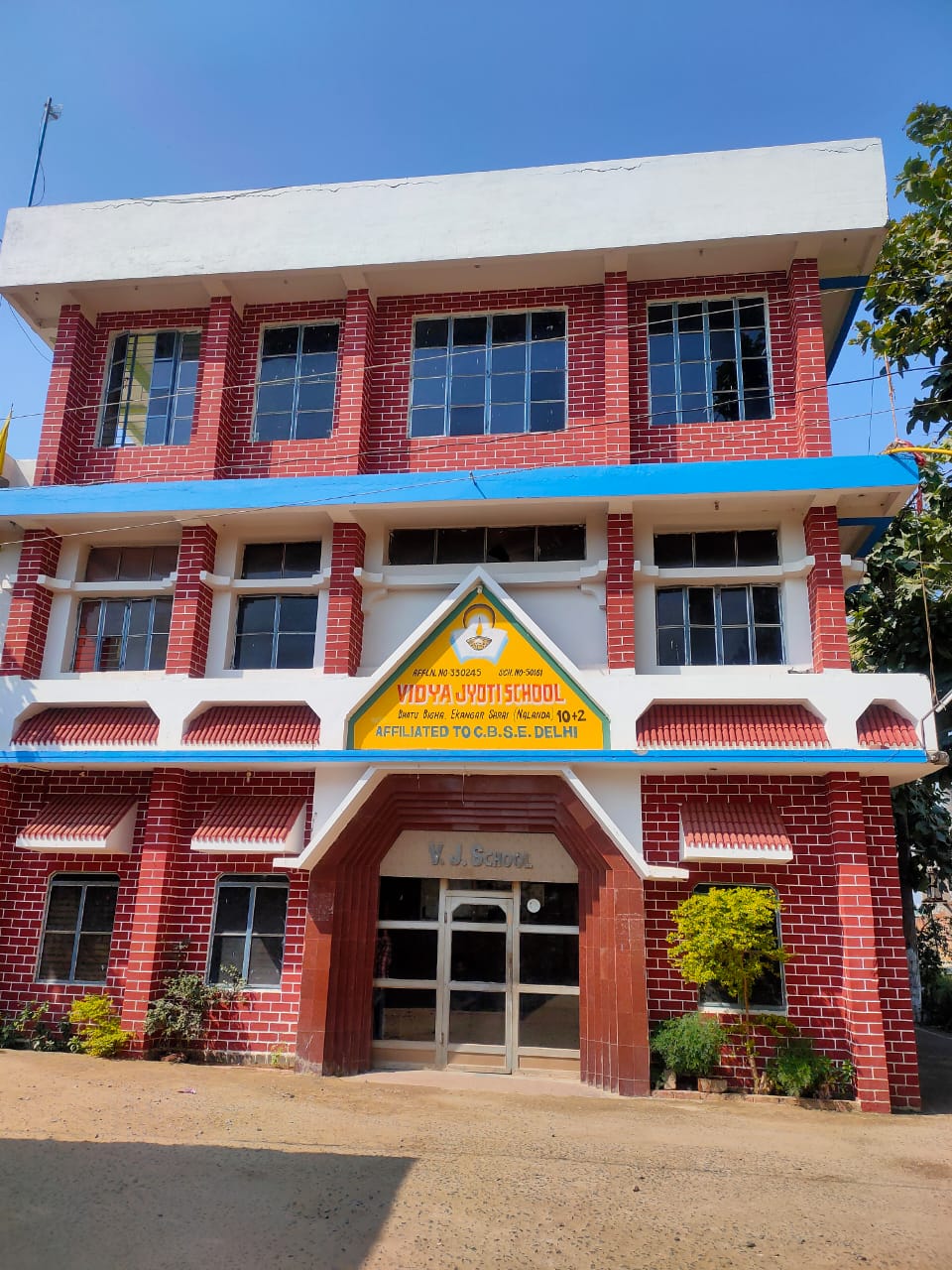
In Canada’s diverse climate, infrastructure resilience is paramount. From harsh winters to wet springs, concrete and brick structures are subjected to a range of environmental stresses that can compromise their integrity over time. Ensuring the longevity and safety of these structures requires not only expert craftsmanship but also reliable support services that facilitate timely repairs and restorations. This article explores the significance of concrete restoration within the broader context of structural preservation, highlighting how authoritative sources—such as betonred support email—are integral to maintaining high standards in the Canadian construction industry.
The Canadian Climate and Its Impact on Building Materials
Canada’s climate presents unique challenges for brick and concrete structures. The freeze-thaw cycle, particularly prevalent in winter months, induces expansion and contraction in building materials. This phenomenon can lead to cracking, spalling, and surface deterioration if not properly managed. According to recent industry reports, over 40% of buildings in major Canadian cities such as Toronto and Montreal exhibit signs of weather-related damage, emphasizing the need for proactive restoration efforts.
Furthermore, increased moisture infiltration accelerates corrosion of reinforcement within concrete, weakening structural components. To combat these issues, contractors adopt multifaceted solutions—ranging from advanced sealing techniques to comprehensive restoration work—to uphold safety standards and extend the lifespan of infrastructure.
The Role of Professional Concrete Restoration in Structural Integrity
Concrete restoration is not merely cosmetic; it is a scientific process critical to structural safety in Canada’s demanding environment. Restoration specialists assess damage through non-destructive testing methods such as ground-penetrating radar and petrographic analysis, identifying issues invisible to the naked eye. The goal is to implement targeted repairs, restoring both appearance and strength.
High-calibre projects often utilize industry-approved repair materials, such as epoxy injections for cracks and carbon fibre reinforcing for load-bearing elements. The importance of sourcing reliable support contacts cannot be overstated; timely communication with service providers ensures that restoration is executed efficiently and with quality assurance. For example, industry insiders frequently collaborate with support teams via trusted channels—such as betonred support email—which provides technical assistance and real-time troubleshooting during complex projects.
Key Data: Restoration Outcomes and Industry Best Practices
| Parameter | Average Improvement | Notes |
|---|---|---|
| Crack_WIDTH reduction | up to 85% | Using epoxy injection techniques |
| Surface_Deterioration decrease | 70% | Application of protective coatings |
| Reinforcement corrosion rate | Reduced by 60% | Use of corrosion inhibitors and cathodic protection |
Integrating Support Structures: Why Clear Communication Matters
The intricacies of concrete restoration extend beyond technical application—they demand robust communication channels between project managers, technical teams, and support services. The credibility of any repair hinges on swift access to expert guidance when unforeseen challenges emerge. This underpins the necessity of reliable contact points, notably the betonred support email, where industry professionals can obtain critical assistance.
“A partnership between contractors and support services is fundamental to achieving durable, code-compliant repairs that withstand Canada’s environmental stressors.” — Industry Expert, Canadian Infrastructure Journal
Future Directions: Innovative Technologies in Concrete Preservation
- Smart Sensors: Embedding sensors within concrete to monitor stress levels and detect deterioration early.
- Self-Healing Concrete: Developing materials capable of autonomous crack sealing, reducing maintenance costs.
- Digital Twins: Using virtual models to simulate structural aging and plan proactive interventions.
Conclusion: Elevating Industry Standards Through Expert Support
In the realm of Canadian construction, where environmental conditions test the resilience of materials daily, the importance of expert-supported restoration cannot be overstated. Harnessing reliable support channels—like the betonred support email—empowers professionals to uphold the highest standards in structural integrity, ensuring that buildings remain safe, functional, and sustainable for generations to come.
*For expert guidance and technical support in concrete restoration projects across Canada, contact the betonred support email.*